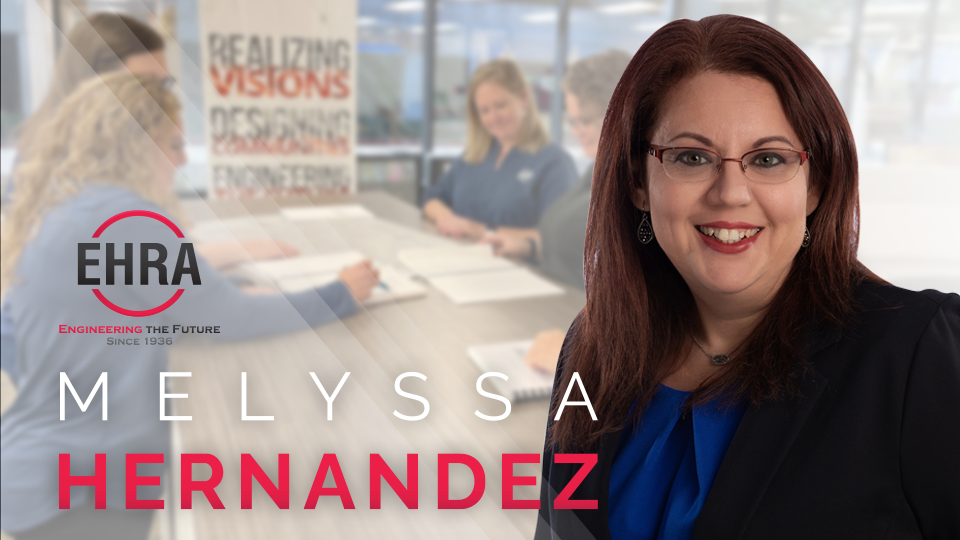
When I first stepped into management, I thought the hardest part would be the workload. I quickly learned the real challenge and truest reward to be building trust and guiding a successful team.
I wear two hats at EHRA Engineering. I am the Contract Administrator Manager, but also currently still handle my own projects alongside my team. As our group has grown, my managerial expectations have too, and I have been learning, sometimes the hard way, the art and science of delegation. Slowly but surely, I am shifting my focus from the daily tasks to making sure the team has the tools, guidance and support to keep projects moving, deadlines met and problems addressed before they become roadblocks. Like most managers will tell you, delegation is a work in progress, but it’s also one of the most important parts of leadership.
Respect Over Rank
I first became a supervisor in 2014, as I was doing most of the training as we brought in new contract administrators. In 2020, I stepped into the manager role—the first person to ever hold that position at our firm. It was exciting, intimidating and, honestly, a little overwhelming. A promotion didn’t just mean more responsibility; it meant carrying the weight of the team’s success.
Without a predecessor to look to, I had to set the tone myself. That pressure shaped me into a manager who leads by example. I continue to look to past mentors and peers for direction, inspiration and advice as I grow as a leader. I train thoroughly, set the same expectations for myself that I set for the team and never ask them to do something I wouldn’t do. But I also had to adjust my relationships. That shift wasn’t easy. I had to accept that I couldn’t join in on every joke or bit of office banter, but I also knew my responsibility was to model the example I wanted the team to carry forward.
Stepping into a leadership role from within a team can be tricky. It requires humility, understanding and a good dose of grace. I have never believed in superiority and respect simply based on title. It is earned through actions, and I’ve worked to build mutual respect. My team knows I’ll put on the boss hat when I need to, but they also know I’d rather work with them than above them.
They tease me that my “serious look” gives me away every time. It’s equal parts red face and awkwardness, but they respect it when it shows up.
I’m not a micromanager. It’s just not in my DNA. If something goes wrong, we talk it through and fix it together. My team knows that I’ll always have their backs. If a mistake is made, I’ll take the hit, shield them from the fallout and then work with them to solve it. People make mistakes, including myself, but honesty, communication and accountability keep us moving forward.
Trust is the backbone of how we work. I respect their opinions, involve them in decisions and encourage open dialogue. When we add to the group, I make sure the team has a voice in the process. When something big is on the line, we sit in a room and figure it out together. Leadership, to me, is about enabling a team to do better and creating an environment for people to thrive.
Building a Team That Trusts Each Other
One of the things I’m most proud of is the way my team supports each other. We’ve welcomed two new hires in the past six months, and watching the group show up every day in support of training, sharing workload and stepping in when someone needs help has been inspiring.
Over the years, I’ve invested a lot of time in developing thoughtful and thorough resource materials, not because it’s easy but because proper preparation is the foundation for a team’s long-term success.
Workload balancing is another part of our culture. When one person is swamped and another has breathing room, we redistribute. Although an adjustment, it’s what keeps us functioning as one team rather than a set of individuals. That spirit of “we’re in this together” is what keeps our group strong.
Looking Ahead
This is the largest team of contract administrators the firm has ever had, and I’m excited about where we’re headed. My focus now is on finding ways to make us more efficient, more collaborative and more impactful—not just within our group but across the firm.
At the end of the day, I believe that leadership isn’t about titles or authority, it’s about creating an environment where people feel supported, respected and capable of doing their best work. I’m proud of the team we’ve built, the trust we’ve earned and the progress we continue to make. And I’m grateful that every day I get to grow alongside my team, leading with trust, respect and, whenever possible, a little laughter.