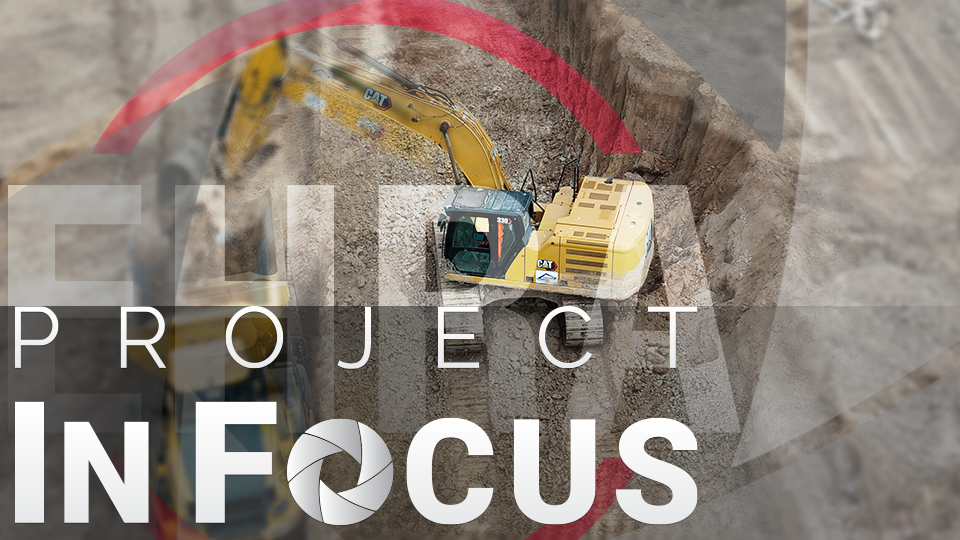
EHRA Engineering is proud to be a partner in the Lakes of Cane Island, a residential development located north of Morton Road and just north of Cane Island, spanning roughly 220 acres. While the finished community will ultimately include approximately 12 sections and 540 homes, the construction effort has presented a wide range of challenges, including significant de-mucking during mass grading and complex utility crossings.
We are proud to work alongside Rise Development, Perry Homes Houston, Drees Custom Homes and Chesmar Homes and appreciate the trust and collaboration they have brought to the project from the beginning. With multiple ownership groups involved, maintaining clear and consistent communication has been especially important. Weekly meetings and consistent open communication have allowed the team to work together effectively to address challenges as they arise. It has been a rewarding partnership, and we are proud of the role we have played in helping bring this development from a challenging piece of property to a growing community.
Construction began in July of 2024, with clearing and grubbing, followed by the detention and mass-fill which excavated six ponds were excavated during phase one, with the material reused throughout the site to bring the property up to grade. A seventh pond is planned as part of the last phase of development, which will involve clearing the last 42 acres to the west while using the excavated material for additional site fill.
The project required extensive coordination around existing and unknown abandoned pipelines. Before abandoned lines could be removed, EHRA coordinated with contractors to excavate and expose the pipelines for testing to verify that no residual product remained. Active oil and gas pipelines presented another challenge, with letters of no objection (LONOs), requiring lots of communication and specialized construction methods.
Trenchless construction and hydro excavation were particularly important when working around these pipelines. In one area, a 150-foot-wide pipeline easement was shared by three different companies, requiring detailed planning and coordination. Large, 60-inch pipes also had to cross the easements. Because of their size, these crossings required manual excavation. Crews advanced approximately eight feet per day, excavating, installing individual 8-ft pipe segments and repeating the process for roughly 165 feet.
The project’s utility infrastructure has required similar coordination. Wastewater from the future community will flow through a lift station before being conveyed to another lift station and ultimately to a wastewater treatment facility that resides outside the development. Water and sanitary infrastructure have been installed alongside the road and residential sections as construction progresses. Dry utilities have been started throughout the development with help and coordination of a third party firm.
To keep construction moving efficiently, sections one through four were combined within two contracts and sections five through seven within a single contract. This approach helped streamline communication and allowed work to progress continuously from one section to the next.
Coordination between utility, paving and landscape contractors has been especially important. Before the Paving phase of each section, the team conducted a formal handoff inspection to document the condition of the stormwater and drainage infrastructure. This helped to establish clear responsibility as the work transitioned between the WS&D and paving contractors and reduced potential issues during the final stages of construction for each section.
Sections five through seven are nearing completion, with paving underway, while work has also begun on section nine with section eight just around the corner. The remaining sections will follow as construction advances through the final phase and into the next pond and mass-fill project.
With a major and successful grand opening that took place in August, the project has already reached a significant milestone. Yet with several sections still ahead and additional infrastructure to complete, construction at Lakes of Cane Island is expected to continue and be wrapped up by 2027.
Throughout the project, consistent communication, careful planning and coordination between contractors, engineers, owners and utility stakeholders have been central to keeping the development moving forward and turning it into a beautiful and growing residential community.